
Home or Gym: Where Should Your 30-Minute Workout Happen?
Short sessions of 15 to 45 minutes work in a living room or a gym. I compare the two settings on time, equipment and consistency, and say which one I suggest for most people.
6 minutes to read
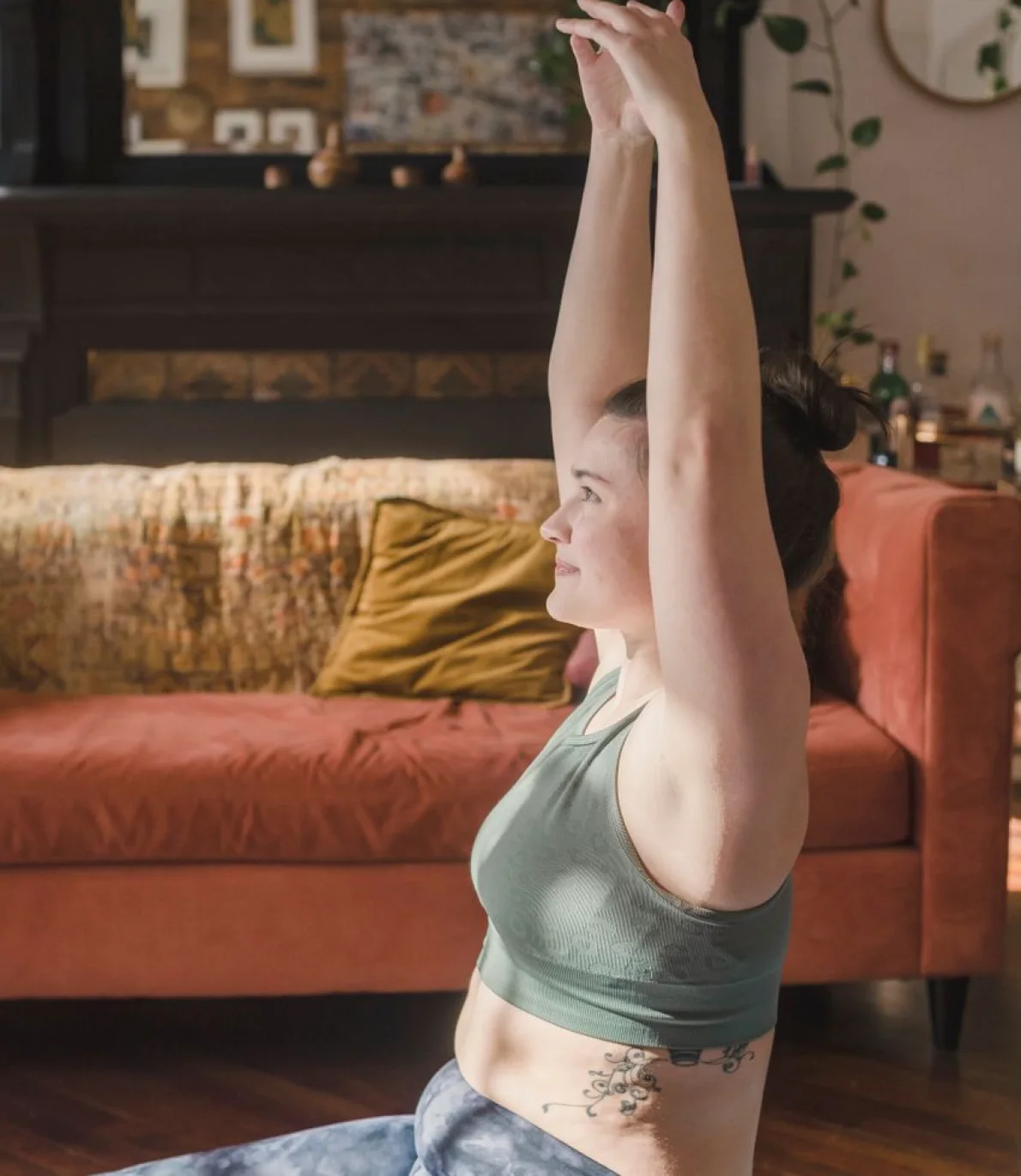
Two settings, one short session
Most questions I answer as support lead come from people who have already decided to exercise and are stuck on a smaller point: where should the session happen? The sessions under Workouts That Fit Your Day run from 15 to 45 minutes, and they can be done at home, in a gym or outdoors. This article sets two of those settings side by side, home and gym, because they are the ones readers ask about most.
I am not going to pretend one wins everywhere. Your travel time, your building, your family schedule and your budget all change the answer. What I can do is lay out how each setting behaves across a normal week, and then give you the choice I would make if a friend asked me over tea.
Outdoor sessions deserve their own note, but they depend heavily on weather and air quality in your city, so I leave them out of this comparison and keep the focus on a roof versus a roof.
What training at home really asks of you
Home means no commute, and that is the whole case in one line. A 20-minute bodyweight session can start two minutes after you decide to do it. You need a clear patch of floor roughly the size of a yoga mat, shoes if your knees prefer them, and a phone propped against a wall so you can follow the session.
The cost is mostly in your head. At home, the sofa, the kitchen and the television are all within sight, and a session can be talked out of existence by a single chore. People also tend to under-load themselves without a rack of weights nearby, repeating the same easy moves for weeks.
Noise matters in flats too. Jumping moves can bother a neighbour below, so a home plan should have quiet alternatives for those days.
- Start time: minutes from decision to first rep
- Cost: nothing beyond a mat and a bottle of water
- Weak point: distractions and easy-to-skip sessions
- Weak point: limited ways to add load as you get stronger
What the gym offers, and what it costs you
A gym gives you a place whose only job is exercise. Once you walk in, the decision is made. Dumbbells, benches and machines let you raise the load week by week, which matters for anyone following an eight-week strength block, and the presence of other people quietly keeps you honest.
The price is travel and membership. If the gym is 25 minutes away in traffic, a 30-minute workout becomes a 90-minute commitment, and that arithmetic is what ends most gym habits by the second month. Evening crowds can also turn a short session into a queue for one rack.
Gyms suit people who live or work within about ten minutes of one, who like structure, and who already know a few basic lifts. They suit beginners less than they suit people with a month of routine behind them.
- Start time: depends entirely on your commute
- Cost: monthly membership plus travel
- Strength: heavier loads and more exercise choices
- Weak point: crowds at peak hours and fixed opening times
Putting them side by side
Think of three questions. First, how long does it take you to start? Home wins, clearly. Second, how far can you progress? The gym wins, because adding weight is simple there and awkward at home. Third, how likely are you to show up on a tired Wednesday? That depends on you, and it is the question that decides most outcomes.
For a person training three days a week with sessions of 20 to 30 minutes, the difference in fitness after eight weeks is usually smaller than the difference between showing up and not showing up. A slightly less perfect setting you actually use beats a perfect one you visit twice.
Where the two settings differ most is the first month. Home removes friction while the habit is still fragile. The gym adds friction but also adds variety. Neither is wrong; they solve different problems at different stages.
My recommendation for most readers
If you are new, restarting after a break, or short of time, begin at home. Choose sessions of 15 to 30 minutes, put them at the same hour for two weeks, and treat the living room as your training room. The aim of the first month is repetition, not intensity, and home makes repetition cheap.
Once you have trained at home consistently for a month or so and find the exercises feeling too easy, add the gym one or two days a week for the heavier work, keeping the shorter home sessions on the other days. That mix keeps your week flexible when travel, rain or a late meeting breaks the plan.
If you already have a gym within easy reach and enjoy being there, keep going. The advice changes only for people who are choosing from scratch, and for them, home first is the safer start.
A simple way to test it this month
Do not decide in the abstract. Run a two-week trial. In the first week, do three sessions at home of about 25 minutes. In the second, do three at a gym, if you have access to one, on days you can reach it without rushing. Note how long each took door to door, how you felt afterwards and whether you looked forward to the next one.
Write down two numbers at the end: sessions completed and total minutes spent including travel. Those figures are more honest than any opinion, mine included. The cooler weeks of the season are a fair time to try this, since neither heat nor the monsoon is working against you.
If both settings feel equal, pick the one with less travel. Time you do not spend in traffic is time you can spend on the next session.
- Week one: three home sessions of about 25 minutes
- Week two: three gym sessions at easy-to-reach times
- Record sessions completed and total minutes, travel included
Short workouts are flexible by design, so you are not locked into either place. Begin where starting is easiest, which for most people is home, and bring in the gym when you want heavier loads and have the time to get there. Judge the choice by how many sessions you finish over a month, not by how impressive the setting sounds.
Meera Nair
Customer Support LeadMeera answers questions about plans, billing and account help. She makes sure every reply is clear and kind.
Send us a message
- Phone
- 0821 4067 318
- [email protected]